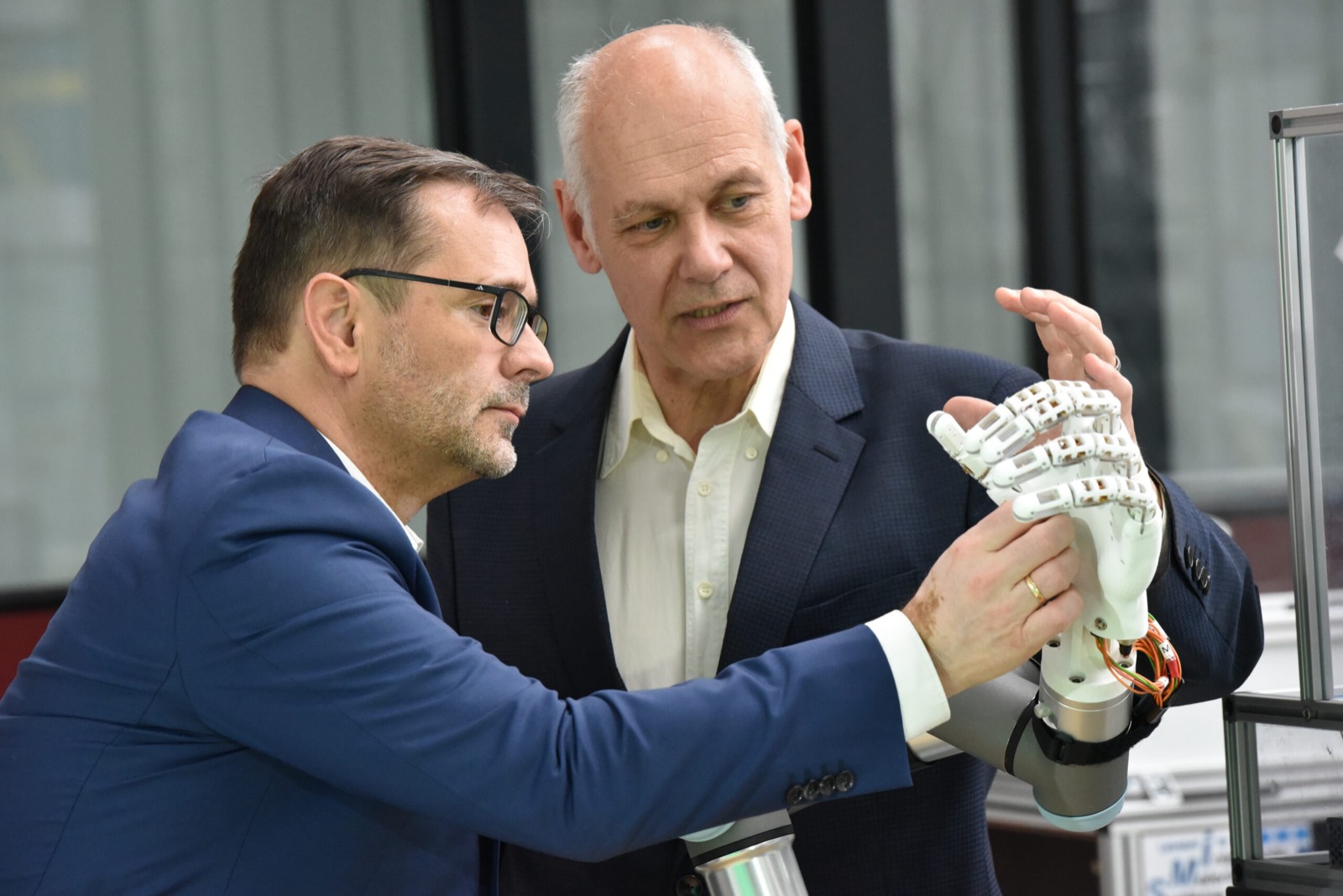
We help innovators and institutions research and develop scalable dual-use and sensitive science and technology assets into deployable industrial capacity.
Sovereign decisions, built on infrastructure you own and control.
Element Ventures is a Canadian company building the Sovereign Operating Intelligence™️ decision layer national stakeholders use to own, secure and scale the defence and health industrial base.
Middle Powers and Global South entities set industrial policy on borrowed infrastructure and rented intelligence. We build the layer where it is missing.
I
The Gap
Middle Powers and Global South entities set industrial policy on borrowed infrastructure and rented intelligence owned, hosted and governed beyond their own jurisdiction.
II
The Seam
We build the layer where it is missing: supplier economics, regulatory risk and capacity intelligence scored. Interoperable with allies without surrendering jurisdiction or control.
III
The Graph
Every module exists within jurisdictional and operational territories, and the map does not exist. We help excavate and expose the knowledge archaeology graph.
Ten capabilities × six layers, with the Build–Partner–Buy reading at each intersection.
10
Sovereign capabilities mapped
6
Layers of the AI geo-economic stack
C$1.95B
National value modelled at a sample of intersections
4
Domains in build: space · workforce training & simulation · sensors · digital systems
Services
From frontier science to deployed capability.
We help innovators and institutions research and develop scalable dual-use and sensitive science and technology assets into deployable industrial capacity.
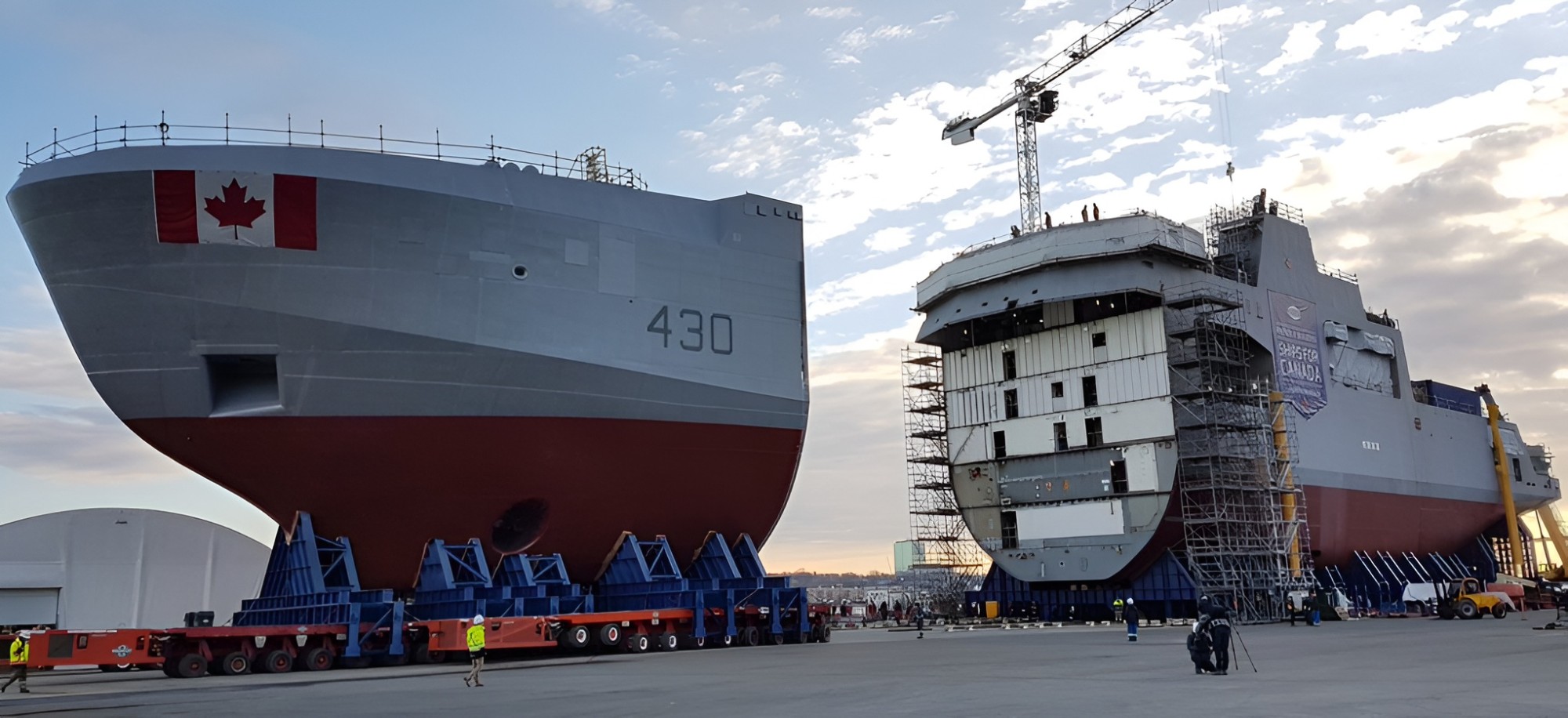
From frontier science to deployed capability. Source: Irving Shipbuilding
Residency is not sovereignty. The one durable barrier available to a middle power is legal - and it must be built, not bought.The Sovereign Seam · 2026
Programmes
Workforce Training and Simulation (WTS).
Human dignity, brain power, empathy, resilience, judgment and purpose. Scaled sectoral workforce training and labour capital treated as critical socio-economic infrastructure. Job creation, enhanced productivity, secure and resilient supply chains.
Space, Training & Simulation, Digital Systems and Sensors represent 40% of sovereign capabilities outlined in Canada's 2026 Defence Industrial Strategy.
The dual-use dividend
Simulation that trains a combat medic trains a rural emergency nurse - value flows through civilian health channels regardless of any defence decision.
WTS / 01 · Public brief
The military medical training function Canada hasn't built yet.
Element Ventures regularly publishes public and client-side research, models and briefs. Institutional and partner material is held in the secure area.
Reach out to discuss Sovereign Operating Intelligence forward deployments, sensitive science and technology mandates, IP strategy, capital formation and competitive intelligence.
Principal
T. Leroy Smith
More than 25 years experience building specialized expertise in research, innovation, strategy and multidisciplinary partnerships across complex legal, commercial, regulatory and market environments.
Sovereign decisions, built on infrastructure you own and control.
We architect the “bits to atoms” decision layer national stakeholders, partners and allies use to reindustrialize the healthcare and defence industrial base.
Middle Powers and Global South entities set industrial policy on borrowed infrastructure and rented intelligence owned, hosted and governed beyond their own jurisdiction.
II
The Seam
We build the layer where it is missing: supplier economics, regulatory risk and capacity intelligence scored. Interoperable with allies without surrendering jurisdiction or control.
III
The Graph
Every module exists within jurisdictional and operational territories, and the map does not exist. We help excavate and expose the knowledge archaeology graph.
Who we work with
Innovators, institutions, governments and intrinsic investors.
We work with innovators, institutions, governments, and intrinsic investors to help reindustrialize the healthcare and defence base across Middle-Power and Global South markets and economies.
Who we work with
Innovators
IP- and science-centric organizations entering regulatory white space and frontier policy markets - from “sleeping beauty” IP to deployable industrial capacity.
Deal architecture with the regulatory pathway built in
IP strategy: freedom to operate, export-control review, licensing
Capital formation through intrinsic investor channels
Hospitals, universities, training schoolhouses and consortia - value-chain partnerships assembled around a capability gap, with the governance and compliance frame that lets institutions join.
Ecosystem development and consortium formation
Shared standards and competency infrastructure
Route to market for defence and health-system buyers
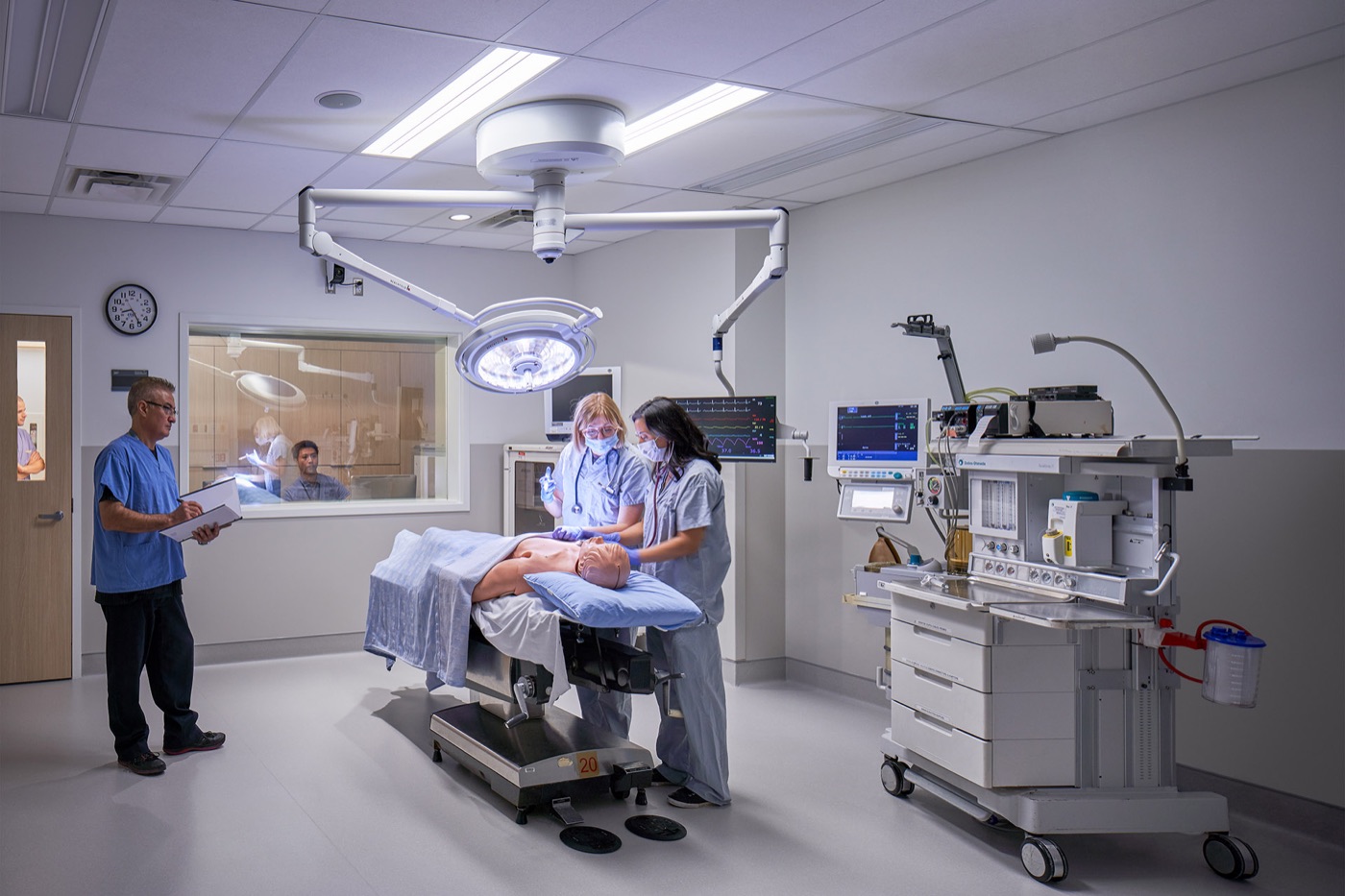
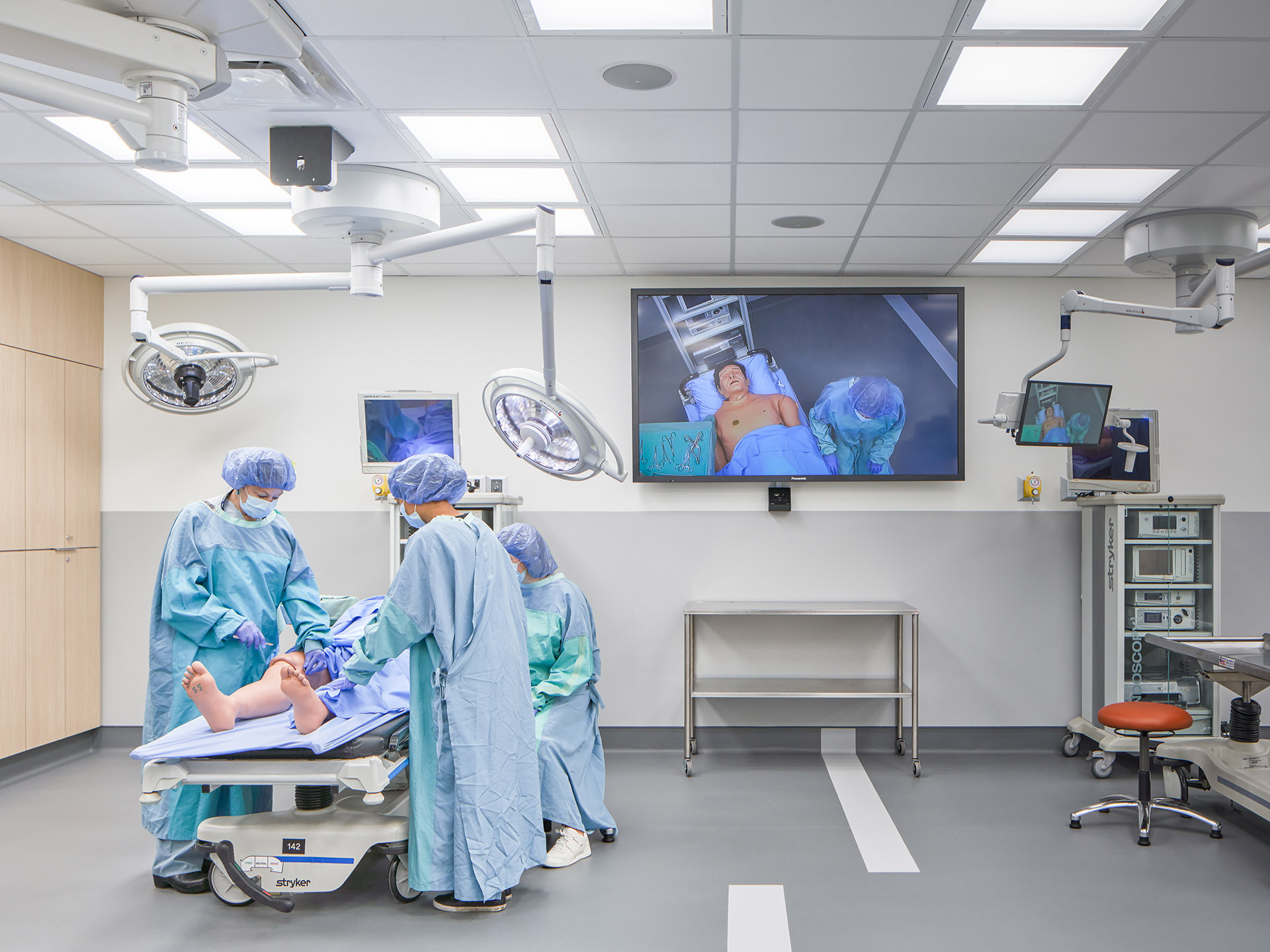
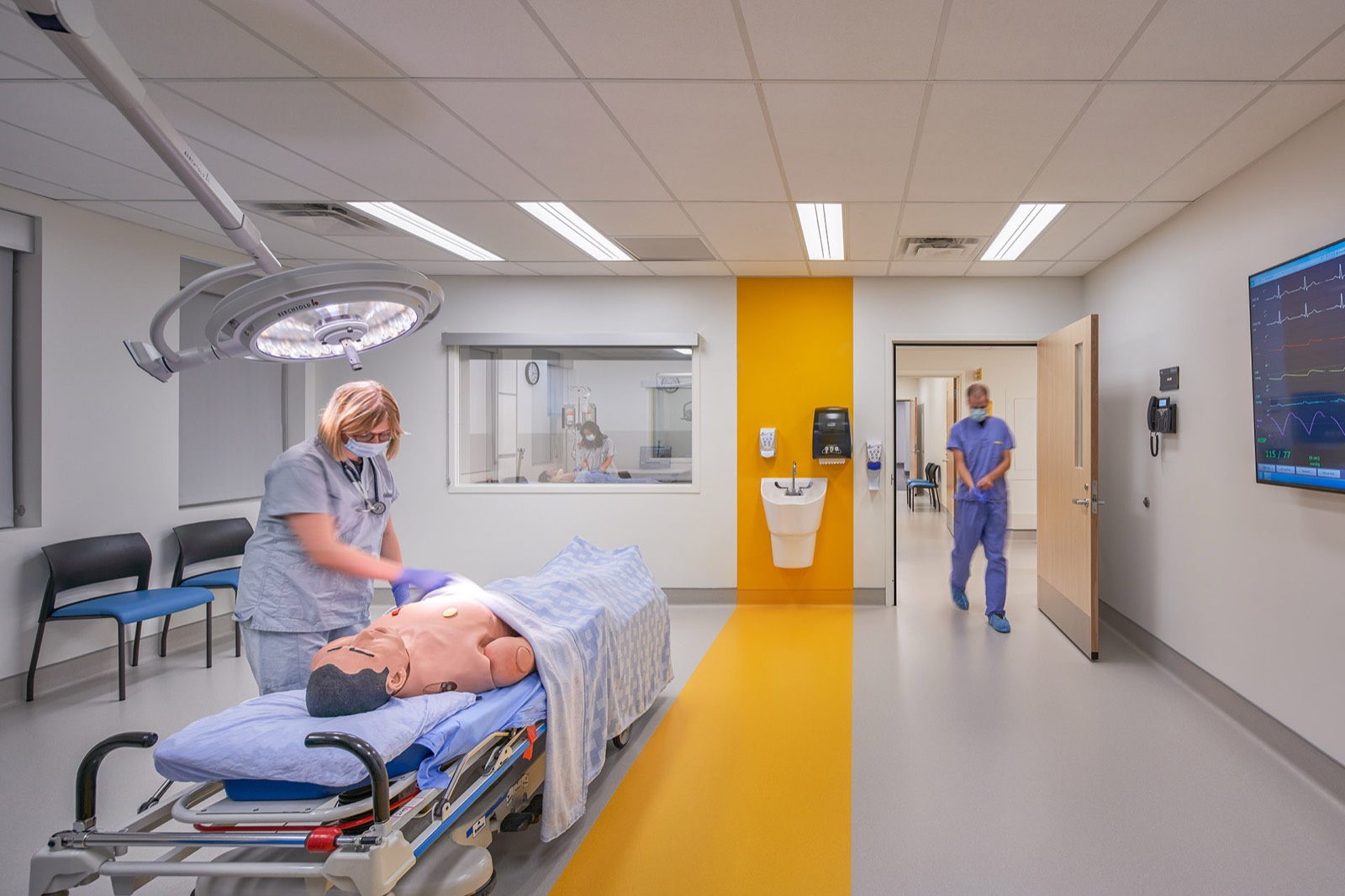
Source: Vancouver General Hospital simulation centre
Who we work with
Governments
National stakeholders, partners and allies - a sovereign decision layer where data is registered, screened and adjudicated under national jurisdiction, interoperable with allies without surrendering control.
Blended finance, offset and co-investment structures for dual-use and critical-input infrastructure - public-private, multilateral development and intrinsic investor channels.
Capital development opportunities from concept-select to FID
Securitized ownership, right-to-use and chain of custody
Modelled value at stake across sovereign capabilities
Proprietary frameworks that link industrial policy to investable infrastructure.
SOI™
Sovereign Operating Intelligence
The decision layer over the defence industrial base, where ownership, right-to-use and chain of custody determine whether capability is nationally competitive.
More than 25 years experience building specialized expertise in research, innovation, strategy and multidisciplinary partnerships across complex legal, commercial, regulatory and market environments.
He works at the intersection of innovation, IP strategy and governance - helping innovators and institutions originate and shape IP, talent and competitive intelligence, and stewarding dual-use technologies, critical inputs and institutional capacity from concept-select to FID.
Previously Team Lead at the D-8 Organization for Economic Cooperation, where his work with the Islamic Development Bank Group supported a $350M health markets industrial policy roadmap across Indonesia, Nigeria and Türkiye; Consulting Fellow for Partnerships & Development at the Centre on Global Health Security, Chatham House (The Royal Institute of International Affairs), evaluating blended-finance frameworks aligned to the UN 2030 Sustainable Development Goals and the International Health Regulations; and Co-Founder and Chief Commercial Officer of Bovicor Pharmatech, where he originated and negotiated a top-decile licensing, R&D and commercialization agreement with a global pharmaceutical company in nitric-oxide drug technologies.
Earlier in his career he managed a $2.5M regional investment fund for early-stage digital media start-ups at Telefilm Canada in Vancouver; founded a market research and business development consultancy serving the Asia Pacific digital media sector from Singapore, following an earlier post in investment research and consulting there; and began as an investment advisor in contrarian strategy at BMO Nesbitt Burns in Montreal.
At Element Ventures he applies that record to sovereign operating intelligence - the decision layer over the defence industrial base, where ownership, right-to-use and chain of custody determine whether capability is nationally competitive.
Catalyzing Canadian Health, Wealth and Security.
We work with innovators, institutions, governments, and intrinsic investors to help reindustrialize the healthcare and defence base.
Sovereign decision layer · Canadian supply network
10
Sovereign capabilities mapped
6
Layers of the AI geo-economic stack
C$1.95B
National value modelled at a sample of intersections
4
Domains in build: space · workforce training & simulation · sensors · digital systems
In brief
Where a middle power can hold decisive ground.
Canada's strategy names ten sovereign capabilities. Read across the six layers of the AI stack, each intersection carries the posture the strategy's own logic implies - Build, Partner or Buy.
The framework is developed for Canada and applies equally to Middle-Power and Global South friends, partners and allies navigating a multipolar / g-zero world.
Every physical layer of the AI stack - energy, chips, infrastructure, models and applications is controlled outside Canada, and no procurement decision changes that. What a nation can control is the layer between them: the sovereign decision layer, where data is registered, screened and adjudicated under national jurisdiction. Its scarcity is legal, not physical: locating data or plant inside a country does not remove a foreign legal reach over it, a lesson European institutions have already acted on. Recent legal scholarship reaches the same conclusion from the other direction, identifying law itself as a layer of the AI ecosystem alongside energy, compute, cloud, models and applications.
At a glance
One map: ten mandates across six layers.
What
One map: ten mandates across six layers
The ten sovereign capabilities of the Defence Industrial Strategy, mapped across the AI stack from applications to energy - with the sovereign decision layer as the seam between them.
Why
Jurisdiction is the barrier that holds
US legal process reaches data held by US-headquartered providers wherever it is stored. Residency is not sovereignty. The one durable barrier available to a middle power is legal - and it must be built, not bought.
How · Build
Where control is the point
The registry, screening and adjudication layer; a sovereign secure-workload enclave; certification of the training ecosystem; niche industrial strengths worth scaling.
How · Partner
Where plurality is the point
Frontier AI capability, allied sensing, advanced silicon and clean-power siting - secured through partnerships across several jurisdictions, never a single dependency.
How · Buy
Where markets work - with conditions
Platforms, munitions and enterprise software procured competitively, with data-sovereignty and industrial-benefit conditions travelling with every contract.
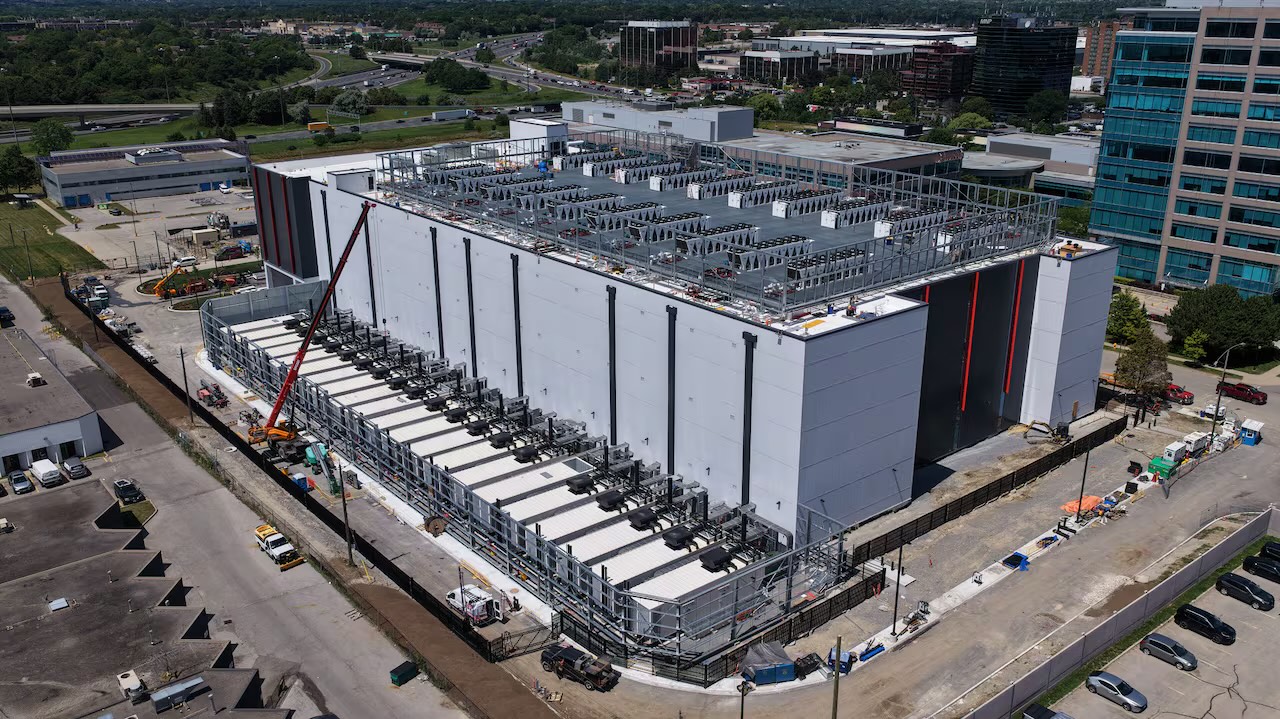
A rendering of a proposed Telus data centre near B.C. Place in downtown Vancouver
Residency is not sovereignty. The one durable barrier available to a middle power is legal - and it must be built, not bought.
Exhibit
The Sovereign Seam - ten capabilities × six layers, with the Build–Partner–Buy reading at each intersection.
Layer ▸ DIS capability. Hover or tap any cell for the reading; cells marked with a dot are Element Ventures mandates - click through.
Platform acquisition with sovereignty conditions attached.
Ammunition · CoreBuy
Munitions procured with domestic-content conditions.
C$290M · P50 20-yr NPV (modelled)
Digital Systems · PartialBuy
Enterprise software procured competitively - conditions, not subsidy.
Personnel Protection · PartialBuy
Personnel-protection equipment procurement.
C$110M · P50 20-yr NPV (modelled)
Specialized Mfg · CoreBuy
Ships, vehicles and icebreakers procured with industrial-benefit leverage.
C$290M · P50 20-yr NPV (modelled)
Uncrewed & Autonomous · CoreBuy
Uncrewed platforms procured competitively; data conditions travel with them.
Aerospace · PartialBuy
Mission-data conditions attached to aerospace platform acquisitions.
Ammunition · PartialBuild
Supply-chain registry and dependency mapping for munitions inputs.
Digital Systems · CoreBuild
A sovereign registry, screening and Build–Partner–Buy adjudication layer operated under national jurisdiction.
In-Service Support · CoreBuy
Sustainment-data sovereignty conditions attached to in-service support arrangements.
Sensors · CoreBuild
Sensor data feeds governed under national adjudication.
Space · CoreBuild
Earth-observation and space-domain data as sovereign registry inputs.
Training & Simulation · CoreBuild
A certification and accreditation registry for the training ecosystem.
Element Ventures mandate - Canada’s Defence Medical Modelling & Simulation Ecosystem Consortium - current capital development opportunity and service mandate (RIE application)
Autonomy decision-data governed under national jurisdiction.
Digital Systems · CorePartner
Domain AI models on sovereign-hosted infrastructure; frontier capability partnered plurally.
Personnel Protection · PartialBuild
Medical modelling and simulation - an open field in Canada.
Element Ventures mandate - Canada’s Defence Medical Modelling & Simulation Ecosystem Consortium - current capital development opportunity and service mandate (RIE application)
Synthetic-environment and instructor models for the training stack.
Element Ventures mandate - Canada’s Defence Medical Modelling & Simulation Ecosystem Consortium - current capital development opportunity and service mandate (RIE application)
Advanced compute silicon secured through allied supply partnerships.
C$240M · P50 20-yr NPV (modelled)
Digital Systems · PartialPartner
Provincial clean-power partnerships site sovereign compute on non-emitting supply.
Specialized Mfg · PartialPartner
Nuclear fuel-cycle partnerships underwrite the defence industrial base.
C$360M · P50 20-yr NPV (modelled)
Core intersection shown solid; partial intersection dashed. Modelled value at stake is P50 20-year NPV (modelled) at a sample of intersections. Build–Partner–Buy per Canada's Defence Industrial Strategy. Source: Element Ventures analysis, 2026.
Read by posture
Every intersection, grouped by what the strategy's logic implies.
12
intersections read as Build
Where control is the point
The registry, screening and adjudication layer; a sovereign secure-workload enclave; certification of the training ecosystem; niche industrial strengths worth scaling.
AmmunitionSovereign Decision LayerSupply-chain registry and dependency mapping for munitions inputs.Partial
Digital SystemsSovereign Decision LayerA sovereign registry, screening and Build–Partner–Buy adjudication layer operated under national jurisdiction.Core
SensorsSovereign Decision LayerSensor data feeds governed under national adjudication.Core
SpaceSovereign Decision LayerEarth-observation and space-domain data as sovereign registry inputs.Core
Training & SimulationSovereign Decision LayerA certification and accreditation registry for the training ecosystem. EV mandate Core
Uncrewed & AutonomousSovereign Decision LayerAutonomy decision-data governed under national jurisdiction.Core
Personnel ProtectionModelsMedical modelling and simulation - an open field in Canada. EV mandate Partial
Training & SimulationModelsSynthetic-environment and instructor models for the training stack. EV mandate Partial
Digital SystemsInfrastructureA sovereign secure-workload enclave; commodity workloads remain competitive.Core
In-Service SupportInfrastructureSustainment data hosted under national jurisdiction.C$410M NPV
SensorsChipsCompound-semiconductor strength - photonics, radar, EW - built to sovereign scale.Core
Frontier AI capability, allied sensing, advanced silicon and clean-power siting - secured through partnerships across several jurisdictions, never a single dependency.
Digital SystemsModelsDomain AI models on sovereign-hosted infrastructure; frontier capability partnered plurally.Core
SensorsModelsSensor-fusion and recognition models tuned on sovereign infrastructure. EV mandate C$250M NPV
SpaceInfrastructureGround-segment hosting under national control.Partial
Digital SystemsEnergyProvincial clean-power partnerships site sovereign compute on non-emitting supply.Partial
Specialized MfgEnergyNuclear fuel-cycle partnerships underwrite the defence industrial base.C$360M NPV
8
intersections read as Buy
Where markets work - with conditions
Platforms, munitions and enterprise software procured competitively, with data-sovereignty and industrial-benefit conditions travelling with every contract.
AerospaceApplicationsPlatform acquisition with sovereignty conditions attached.Core
AmmunitionApplicationsMunitions procured with domestic-content conditions.C$290M NPV
Digital SystemsApplicationsEnterprise software procured competitively - conditions, not subsidy.Partial
Transactions structured with the regulatory pathway, procurement route and policy position built in from the outset.
01
Deal Architecture
Transactions structured with the regulatory pathway, procurement route and policy position built in from the outset. For IP- and science-centric organizations entering regulatory white space and frontier policy markets.
Regulatory pathwayProcurement routePolicy position
02
Capital Formation
Blended finance, offset and co-investment structures for dual-use and critical-input infrastructure. Public-private, multilateral development and intrinsic investor channels.
Blended financeOffsetsCo-investment
03
IP Strategy
Grow, protect and enforce legal and economic rights and interests deserving of protection under the law - freedom to operate, export-control review, and licensing that keeps custody with the owner.
Freedom to operateExport controlLicensing
04
Ecosystem Development
Value-chain consortia and supply-chain partnerships assembled around a capability gap, with the governance and compliance frame that lets institutions join.
ConsortiaSupply-chain partnershipsGovernance
How we engage
From concept-select to FID.
Helping innovators and institutions originate and shape IP, talent and competitive intelligence, and stewarding dual-use technologies, critical inputs and institutional capacity through to a final investment decision.
01
Originate
Originate and shape IP, talent and competitive intelligence around a capability gap - including “sleeping beauty” IP and strategic dual-use supply-chain assets.
Transactions structured with the regulatory pathway, procurement route and policy position built in from the outset - with export-control review and licensing that keeps custody with the owner.
Blended finance, offset and co-investment structures for dual-use and critical-input infrastructure, through public-private, multilateral development and intrinsic investor channels.
Stewarding dual-use technologies, critical inputs and institutional capacity from concept-select to FID - securitized ownership, right-to-use and chain of custody, auditable end to end.
Securitized ownership and control of dual-use technologies, right-to-use, and chain of custody across sensitive sectors - auditable end to end.
/ 01 All-day dual-use wearables
mateligent GmbH
Multi-jurisdictional corporate transformation and restructuring mandate across governance, regulatory, tax, IP, partnerships and capital formation. Co-developing InvivoSense™ - sensor and actuator technologies in Medic-Class wearables.
We work with innovators, institutions, governments, and intrinsic investors to help reindustrialize the healthcare and defence base across Middle-Power and Global South markets and economies.
Healthcare and the defence industrial base - with domains in build across space, workforce training & simulation, sensors and digital systems, mapped against the ten sovereign capabilities of Canada’s 2026 Defence Industrial Strategy.
The “bits to atoms” decision layer national stakeholders, partners and allies use to reindustrialize the healthcare and defence industrial base, create resilient supply chains, and exercise strategic leverage across the geo-economic AI Stack.
Element Ventures is based in Vancouver, Canada. The framework is developed for Canada and applies equally to Middle-Power and Global South friends, partners and allies navigating a multipolar / g-zero world.
Reach out to discuss Sovereign Operating Intelligence forward deployments, sensitive science and technology mandates, IP strategy, capital formation and competitive intelligence. Email tleroy@elementventureslp.com or use the contact form.
Catalyzing Canadian Health, Wealth and Security.
We work with innovators, institutions, governments, and intrinsic investors to help reindustrialize the healthcare and defence base.
Workforce Training and Simulation (WTS) Programme.
Human workforce and labour capital treated as critical socio-economic infrastructure - harnessing digital systems and training and simulation in healthcare and defence sectors to create jobs, enhance productivity and promote security and resilience.
Human dignity, brain power, empathy, resilience, judgment and purpose.
Defence Training & Simulation$14.0B → $20.0B7.4% CAGR
Mil-med / dual-use$0.9B → $2.0B '30E17.3% CAGR
TAM · Global intersection
$0.9B
Mil-med / dual-use simulation & training → $2.0B '30E
SAM · Serviceable
$0.35B
Five Eyes + NATO forces · 40% of TAM
Circle areas ≈ 2025 market size. Intersection = medical readiness, combat-casualty care, field-triage and pandemic/HADR simulation bought by defence and dual-use customers. Source: Element Ventures analysis, 2026.
WTS / 01 - Public brief
Canada Defence Medical Simulation Ecosystem
The United States runs military medical simulation as a single, named enterprise capability. Canada runs it as fragments. The gap is nameable, documented in public sources - and it is an ecosystem opportunity, not a procurement line.
Training & Simulation is one of ten sovereign capabilities in Canada's 2026 Defence Industrial Strategy - and medical appears nowhere within it.
The benchmark
US DHA Medical Modernization & Simulation Division - one office owning coordination, gatekeeping and a unified skills-tracking architecture.
The dual-use dividend
Simulation that trains a combat medic trains a rural emergency nurse - value flows through civilian health channels regardless of any defence decision.
Programme pillars
An ecosystem problem, not a firm-level one.
No single SME, hospital or schoolhouse can close this gap alone, because its components are shared goods. Four functions make up the coordination layer.
Programme pillar · See
Shared operating picture
A maintained view of simulation companies, training sites, buyers and programs - the sector's common map.
Companies, training sites, buyers and programs in one view
A common map for defence and civilian health
Anchored in the assets Western Canada already holds
Defence and civilian medical simulation at one recurring table.
WTS / 02 - Interactive model
National Healthcare Community Capacity Building and Value-Based Health ROI Calculator
Community health networks run some of the largest training systems in primary care - yet the record behind that effort counts heads, not capability, so it reads to funders as a cost instead of a result. As value-based payment turns equity-weighted, an honest, verifiable account of workforce capacity becomes worth real money. Slide to range-size multiples.
189care delivery sites
Operational value unlocked / year
–
Compliance-record and training-coordination time recovered - measurable from a platform's own data, from day one.
Measured · shown as a range
Workforce-retention scenario / year
–
The value of a 5.5-point cut in clinical turnover, after a 30–50% attribution haircut. A bounded scenario - a claim only with an independently measured study.
Modelled · not a claim
Smallest provable turnover cut
–
The statistics are printed with the promise: below this size, a turnover claim would not stand up - and we say so.
Illustrative public planning model - modelled estimates and cited public sources (HRSA UDS 2024; NSI Nursing Solutions 2024; peer-reviewed literature). Not an offer, a forecast, or a clinical claim.
Catalyzing Canadian Health, Wealth and Security.
We work with innovators, institutions, governments, and intrinsic investors to help reindustrialize the healthcare and defence base.
Public brief · Defence-industrial ecosystems · 2026
The military medical training function Canada hasn't built yet.
The United States runs military medical simulation as a single, named enterprise capability. Canada runs it as fragments. The gap is nameable, documented in public sources - and it is an ecosystem opportunity, not a procurement line.
Before proposing anything, we asked whether the function already exists somewhere in Canada's system. On the public record, it does not. The US Defense Health Agency houses a Medical Modernization & Simulation Division - one office that coordinates medical modelling & simulation, governs training requests across the Military Health System, and builds a unified, skills-based learning architecture. Canada's equivalent functions are spread across a training schoolhouse, contracted delivery, ad-hoc military–civilian partnerships, and an enterprise simulation office whose directive does not mention medicine. The unified skills-tracking layer is absent entirely.
The finding is instructive rather than discouraging: Canada's first Defence Industrial Strategy (February 2026) already names Training and Simulation as a sovereign capability - and medical appears nowhere within it. The missing module of a named national capability is a white space a coordinated Western Canadian ecosystem can credibly fill, with benefits that flow to civilian health care regardless of the pace of any defence decision.
Benchmark
US DHA - Medical Modernization & Simulation Division
Dual-use - defence readiness & civilian health workforce
Evidence
Public sources only, cited below
01 - The base Canada can mobilize
Substantial, already operating - and holding no defence mandate.
British Columbia holds the distinctive anchor: the CF Trauma Training Centre (West) at Vancouver General Hospital, where military clinicians maintain trauma skills inside a civilian facility - an operating military–civilian model, alongside university medical-education research capacity and an active health-technology SME base.
19
Royal College-accredited simulation centres across Canada CMEJ, 2023
4,000+
Simulation professionals in Simulation Canada's network, across 200+ institutions simulationcanada.ca
~25
Programs at the CF Health Services Training Centre, CFB Borden - a schoolhouse, not an enterprise office canada.ca
0
Canadian organizations holding the enterprise medical simulation mandate Public record, 2026
An operating military–civilian model: military clinicians maintain trauma skills inside a civilian facility.
Documented demand pressure on the defence side: the Auditor General's 2025 report found a 4,700-recruit shortfall with 13% of military occupations at risk - and clinical readiness already depends on embedded civilian partnerships.
02 - The policy white space
A named capability with a missing module.
Canada's first Defence Industrial Strategy (February 2026) names ten sovereign industrial capabilities. Training and Simulation is one of them - as a single, undivided capability, with no medical dimension named within it. Health enters the ten only as medical-countermeasure stockpiling under Personnel Protection. Separately, "Training and Simulation" is one of ISED's 17 Key Industrial Capabilities under the Industrial and Technological Benefits policy - meaning medical-simulation investment can already score as ITB value today.
Exhibit 2
Ten sovereign capabilities, DIS 2026: medical named in none
AerospaceNamed
AmmunitionNamed
Digital SystemsEV mandate
In-Service SupportNamed
Personnel ProtectionMed. countermeasures only
SensorsEV mandate
SpaceEV mandate
Specialized ManufacturingNamed
Training & SimulationMedical absent - the white space
Uncrewed & AutonomousNamed
Building the medical module of Training & Simulation is a contribution to a capability Canada has already declared sovereign - not a request to create a new one.
03 - The benchmark
How the United States organizes this function.
Within the US Defense Health Agency's Education & Training Directorate, the Medical Modernization & Simulation Division and the Defense Medical Modeling & Simulation Office coordinate medical M&S across the Department of Defense, act as gatekeeper for medical education and training requests, and work toward standardized training data with skills-based tracking at enterprise, service and individual levels.
The relevant feature for comparison is not size but function: a single, named office owns the capability. The benchmark requires three things - an enterprise office, gatekeeping authority over medical training, and a unified skills-tracking learning architecture.
Exhibit 1
Function by function, public record only
Function (US benchmark)
United States
Canada
Enterprise medical M&S office
DHA - Medical Modernization & Simulation Division / DMMSO
No single equivalent office ABSENT
Coordination of medical education & training
Governed enterprise-wide within DHA J-7
Training establishment (CFHSTC, Borden) + contracted delivery FRAGMENTED
Unified skills-based learning architecture
A stated objective of the enterprise office
Not established as a unified system ABSENT
Forces-wide M&S coordination incl. medical
Coordinated through the enterprise office
Synthetic Environment Coordination Office - no medical scope in its directive ABSENT (MEDICAL)
Clinical-readiness delivery model
Military treatment facilities across the services
Embedded civilian arrangements - e.g. CF Trauma Training Centre (West) at Vancouver General Hospital OPERATING
04 - What closing the gap takes
An ecosystem problem, not a firm-level one.
No single SME, hospital or schoolhouse can close this gap alone, because its components are shared goods: a common operating picture of companies, training sites and buyers; shared standards and a competency framework so clinical readiness can be measured the same way everywhere; and a route to market connecting the firms that build simulation products to the defence and health-system buyers who need them. That is the coordination function the United States institutionalized - and the one Canada can now build deliberately, anchored in the assets Western Canada already holds.
See
Shared operating picture
A maintained view of simulation companies, training sites, buyers and programs - the sector's common map.
Measure
Competency infrastructure
A common framework and skills-tracking architecture so readiness is measured, not assumed.
Connect
Route to market
Buyer access, showcases and advisory so Canadian SMEs can sell into defence and health markets.
Convene
A standing table
A recurring convening point where defence and civilian medical simulation meet in Western Canada.
The dual-use dividend. Every element above returns value through civilian health channels - clinician skill-fade, rural and remote readiness, workforce shortages - independent of the pace of any defence decision. That is what makes the investment resilient, and what makes the ecosystem worth building now.
Sources - public record
US Defense Health Agency, Education & Training - Defense Medical Modeling & Simulation Office / Medical Modernization & Simulation Division. health.mil
Canadian Forces Health Services Training Centre, CFB Borden. canada.ca
DND, Evaluation of Military Health Care, ADM(RS), 2018. canada.ca
Element Ventures regularly publishes public and client-side research, models and briefs. Institutional and partner material is held in the secure area.
Partner and institutional material is available to authorized partners and institutions.
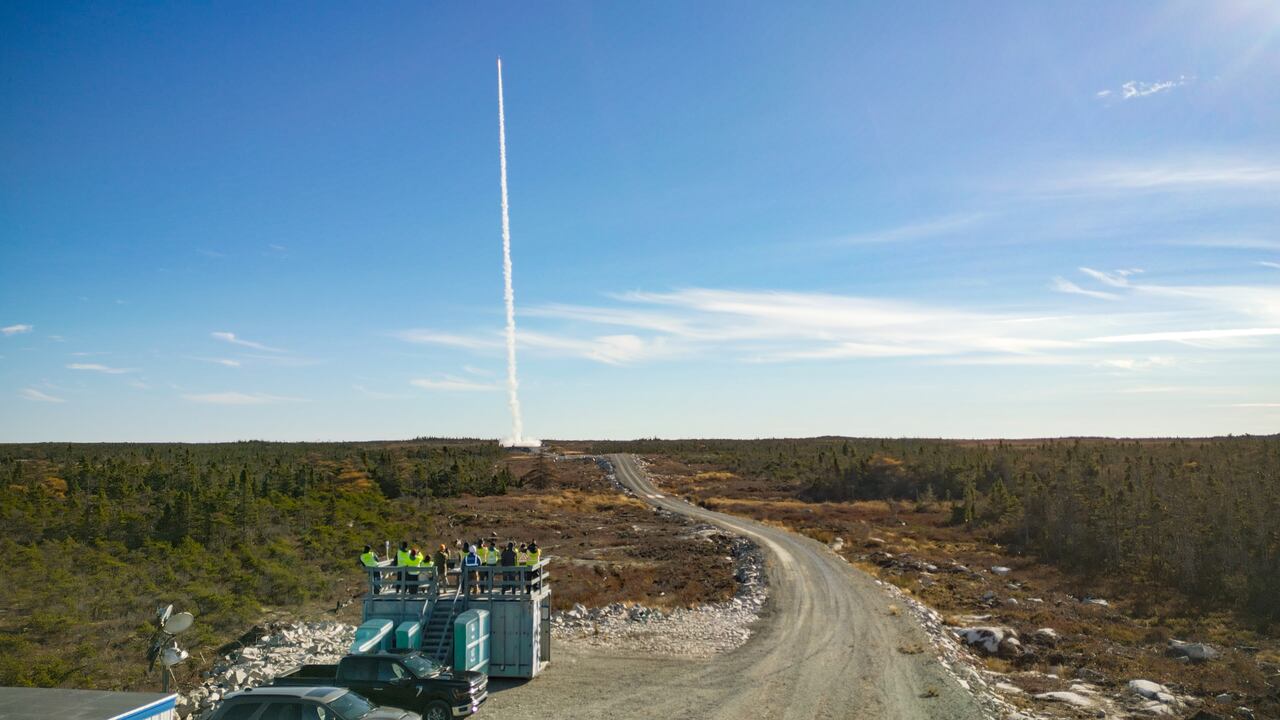
Source: Maritime Launch Services second launch test
Featured · Research · on request
Ramping up Canadian sovereign MLV manufacturing
A registry-grounded, mine-to-orbit ramp-up analysis of Canada's space and defence industrial base, worked through the sovereign Medium Lift Vehicle - 4,000–8,000kg to LEO, with a Q4-2029 pilot launch from Canso as its forcing function.
A registry-grounded, mine-to-orbit ramp-up analysis of Canada's space and defence industrial base, worked through the sovereign Medium Lift Vehicle - 4,000–8,000kg to LEO, with a Q4-2029 pilot launch from Canso as its forcing function.
Published · August 2026Edition · v5Read · 20 minRequest brief
Interactive model · on requestAugust 2026
Defence-Data Factor - Economic Model
Live build-out of Data as a Factor of Production in Defence Industrial Base economic models, including choke-point valuations and asymmetric industrial policy leverage.
Published · August 2026Edition · v1.5Read · InteractiveRequest brief
Research · on requestJuly 2026
Canada's space economy - launch ecosystem, value chain & exposure
A structural analysis of the space economy's value chain, its cost-curve dynamics, and - for a small, open economy - its foreign-exposure layer.
Published · July 2026Edition · v2.4Read · 16 minRequest brief
Sovereign Operating Intelligence · SOI™Public edition · 2026
The Sovereign Seam: mapping Canada's Defence Industrial Strategy across the Geo-Economic AI Stack
Ten sovereign capabilities. Six layers. One place where a middle power can hold decisive ground.
Published · Public edition · 2026Edition · PublicRead · ExhibitRead the Seam
Public brief · WTS / 012026
The military medical training function Canada hasn't built yet
The United States runs military medical simulation as a single, named enterprise capability. Canada runs it as fragments.
We work with innovators, institutions, governments, and intrinsic investors to help reindustrialize the healthcare and defence base across Middle-Power and Global South markets and economies.
Reach out to discuss Sovereign Operating Intelligence forward deployments, sensitive science and technology mandates, IP strategy, capital formation and competitive intelligence.
Element Ventures (Canada) Ltd. handles personal information in accordance with Canada’s Personal Information Protection and Electronic Documents Act (PIPEDA) and British Columbia’s Personal Information Protection Act.
What we collect. This site has no accounts, advertising or analytics trackers. We receive personal information only when you choose to contact us, for example your name, organization, email address and the content of your message.
How we use it. To respond to your enquiry, to assess and carry out a potential engagement, and to meet legal obligations. We do not sell personal information or share it for marketing.
Storage on your device. The site stores a small number of preferences in your browser (for example, an active secure-portal session, which ends when you close the tab or log out). These are not used to track you.
Third-party services. Web fonts are delivered by Google Fonts, which receives your IP address when the page loads. Email you send us is processed by our email provider.
Retention and your rights. We keep correspondence only as long as needed for the purposes above or as required by law. You may ask to access or correct your personal information, or withdraw consent, by writing to tleroy@elementventureslp.com. If you are not satisfied with our response, you may contact the Office of the Privacy Commissioner of Canada or the Office of the Information and Privacy Commissioner for British Columbia.
Terms of use
By using this site you agree to these terms. The content, including text, frameworks, exhibits, models and the Element Ventures name and marks, is owned by or licensed to Element Ventures (Canada) Ltd. and protected by copyright and trademark law. You may view and share pages for personal or internal reference with attribution; any other reproduction requires our written permission.
The secure partner area is for authorized partners only. Access credentials are confidential and may not be shared. Material in that area is proprietary and confidential and is subject to any separate agreement under which it was provided.
Photographs are credited where shown and remain the property of their respective owners. Links to third-party sites are provided for convenience; we are not responsible for their content.
These terms are governed by the laws of the Province of British Columbia and the federal laws of Canada applicable there.
Important notices
No offer or advice. Content on this site is provided for general information only. It is not an offer to sell, or a solicitation of an offer to buy, any security or investment, and it is not investment, legal, tax or accounting advice. Any engagement is governed solely by a written agreement.
Research and analysis. Research, models and briefs draw on public sources believed to be reliable at the time of writing, are planning-grade, and may change without notice. They are not warranted as complete or accurate and should not be relied on as the sole basis for any decision.
Forward-looking statements. Statements about programmes, capabilities and markets that are not historical facts are forward-looking and subject to risks and uncertainties; actual outcomes may differ materially.
Liability. To the extent permitted by law, Element Ventures (Canada) Ltd. is not liable for any loss arising from use of this site or reliance on its content.
Last updated September 2026.
UNCLASSIFIED // CONFIDENTIAL
Secure area
Secure partner access
Restricted to authorized partners and institutions. Institutional and partner material - models, decision tools and registry refreshes - is held here.
Sign in
Restricted to authorized partners and institutions.
UNCLASSIFIED // CONFIDENTIAL
Welcome back, partner.
Proprietary and Confidential. Protected B.
Catalyzing Canadian Health, Wealth and Security.
We work with innovators, institutions, governments, and intrinsic investors to help reindustrialize the healthcare and defence base.